Build a custom food manufacturing ERP around the way your business actually operates. Connect production planning, recipes, procurement, inventory, quality, batch traceability and finance through a tailored enterprise software solution.
Manufacturing workflows tailored to your operations
Connected production, inventory and quality processes
Custom integrations and phased implementation
Plant overview · Unit 1
Illustrative ERP interface
Batches in progress
6
across 2 lines
Yield today
96.8%
plan 97.5%
Lots expiring in 7 days
3
2 allocated
Inspections pending
2
1 on hold
Production batches
Whole wheat biscuit
Baking
B-2410-031
72%
Masala blend 200 g
Grinding
B-2410-032
45%
Toned milk 500 ml
Packing
B-2410-033
88%
Fruit jam 350 g
Cooking
B-2410-034
30%
Raw-material stock
Wheat flour8,400 kg
Sugar3,200 kg
Palm oil1,150 L
Packaging film120 rolls
Cream base L-0991 expires in 3 days. Allocate first (FEFO).
Batch B-2410-029 on hold. Moisture reading outside specification.
Sample data for illustration only.
What Is Food Processing ERP Development?
Food processing ERP development is the design and build of enterprise software that connects a food manufacturer's recipes, procurement, production, inventory, quality checks, batch traceability, dispatch and finance in one system. It is also described as food manufacturing ERP or food production management software.
OZRIT is a software development company in India. For food manufacturers we build custom ERP around the plants, products and systems you already run, usually delivered in phases, instead of selling a packaged product.
Who it is for
Food and beverage processors: dairy, bakery, packaged food, spice, beverage, frozen and chilled, edible oil and ingredient makers.
What it covers
Recipes and formulations, production, procurement, lot-level inventory, quality, traceability, dispatch and costing.
How it is delivered
Discovery, scoped requirements, prototype, iterative build, data migration, testing and phased go-live.
What it is not
A compliance certificate, or an instant product. Cost and timeline depend on modules, plants and integrations.
Last updated
Key terms
Lot
A specific received quantity of a material, identified so it can be traced to its supplier and expiry date.
Batch
One production run of a product, recorded with the lots and quantities consumed and the output produced.
FEFO
First expired, first out. Stock with the earliest expiry date is picked and dispatched first.
Bill of materials
The list of ingredients and packaging, with quantities, needed to make one unit or batch of a product.
HACCP
A food-safety method that identifies hazards and sets monitored control points. A system can record the checks, but it does not certify a plant.
Food Manufacturing Is Too Complex for Disconnected Systems
Many plants run on a patchwork of files, chat groups and registers. Each tool works on its own, but nothing connects a received lot to the batch it went into and the customer it reached. Not every manufacturer faces all of the problems listed here, and most will recognise several.
Recipe spreadsheets
Purchase WhatsApp groups
Paper batch registers
Stock sheets
Accounting software
Dispatch notes
A typical setup: the same numbers re-keyed by hand between tools that never talk to each other.
Recipes live in spreadsheets.
Versions, ingredient specifications and approvals sit in files that drift apart between plants.
Procurement runs separately from production.
Buyers order against last month's habits instead of what the production plan needs.
Consumption and yield are hard to see.
Planned and actual usage are compared after the fact, if at all.
Batch records are inconsistent.
Traceability depends on whoever filled in the register that day.
Expiry losses show up late.
Stock ages in the warehouse because nothing surfaces it before it is too late.
Quality checks are on paper.
Inspections are manual, and documentation for an audit takes days to assemble.
Cost and wastage are opaque.
Production cost per batch is estimated, so margin problems are found at month end.
Finance, warehouse and dispatch are disconnected.
The same numbers are re-keyed into accounting, stock sheets and delivery notes.
Multi-plant data is hard to consolidate.
Each factory reports in its own format, so head office compares them by hand.
One Connected Food Manufacturing ERP for Your Entire Operation
In a connected food manufacturing ERP, information entered at one stage is available at the next. The sequence below is a typical flow. Your own workflow is configured to match how your plants actually run, including stages that are skipped, repeated or run in parallel.
Supplier
Approved vendors, specifications, price lists
Procurement
Requests, purchase orders, goods receipt
Raw materials
Lots, expiry dates, incoming inspection
Production
Work orders, recipes, consumption, yield
Quality
In-process and final checks, holds, releases
Finished goods
Lot labels, shelf life, storage status
Warehouse
Locations, transfers, FEFO picking
Distribution
Orders, dispatch, delivery documents
Finance
Batch costing, invoices, payables, GST
Finance sits at the end of the chain, but costs flow into it from every stage before it. That is what makes batch-level costing possible.
Core Food Processing ERP Modules
These are the food processing ERP software capabilities we can scope and build for your plants. They are not a packaged product with a fixed feature list. Most projects start with two or three of these groups and add the rest in later phases.
Recipe and formulation management
One controlled source of truth for what goes into every product.
Recipe and formulation records
Ingredient specifications
Version control and approvals
Bill of materials
Recipe scaling to batch size
Ingredient substitution rules, where appropriate
Planned versus actual consumption
Production planning and execution
From plan to completed batch, with yield and wastage recorded as work happens.
Production scheduling
Work orders and batch cards
Production-stage tracking
Raw-material reservations
Output and yield recording
Wastage tracking
Production variance analysis
By-product and co-product workflows where required
Procurement and supplier management
Buying driven by the production plan, with incoming quality tied to each supplier.
Supplier onboarding
Purchase requests and purchase orders
Goods receipt
Incoming material inspection
Supplier performance records
Purchase price and landed-cost tracking
Inventory and warehouse management
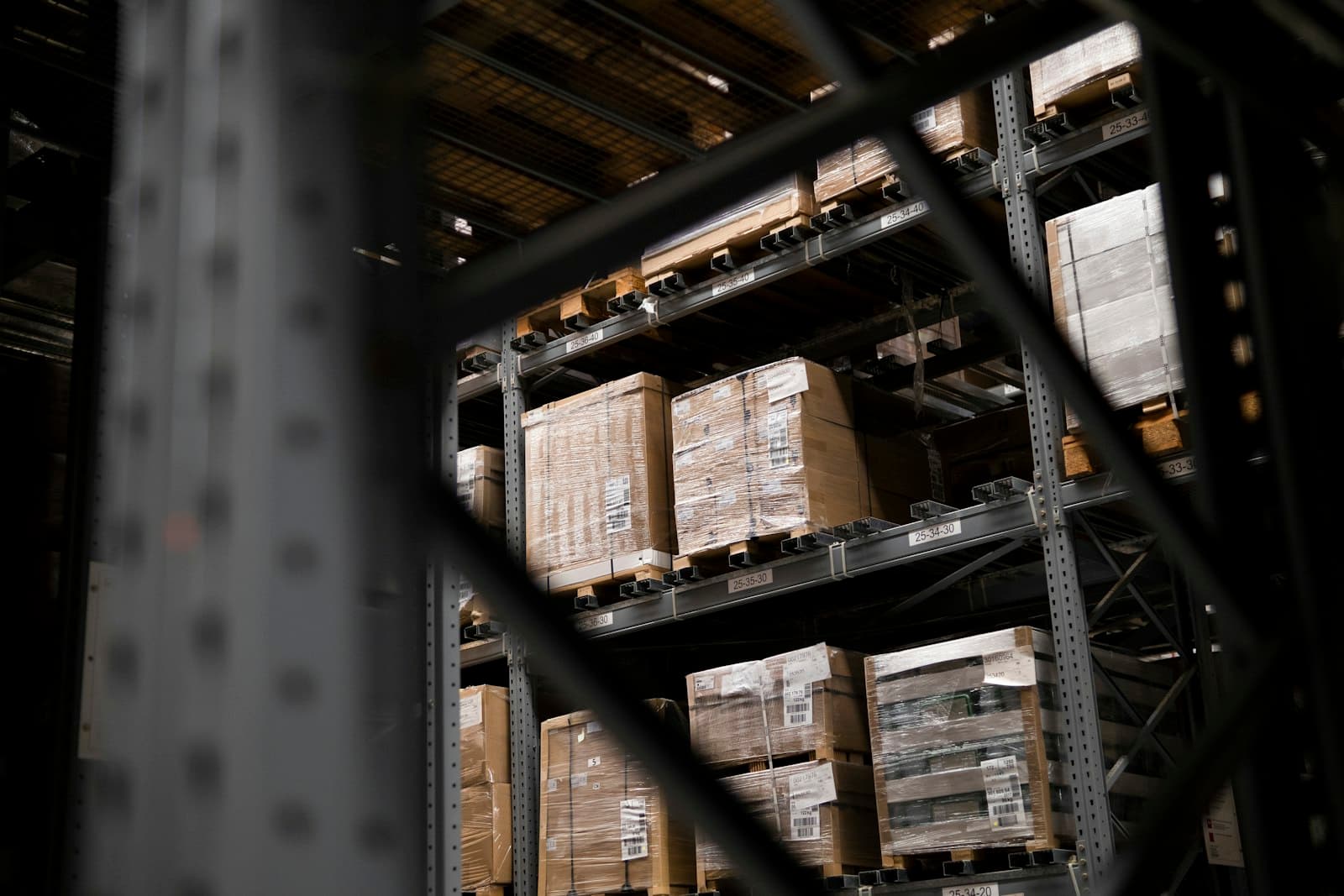
Lot-level stock for raw materials, packaging and finished goods across locations.
Raw materials, packaging and finished goods
Lot and batch identification
Expiry and shelf-life tracking
FEFO picking where applicable
Warehouse transfers
Stock reconciliation
Multi-location inventory
Cold-storage workflows where required
Quality management and food safety
Inspections, specifications and corrective actions recorded where the work happens.
Incoming material quality checks
In-process inspection
Finished-product inspection
Specifications and acceptance criteria
Non-conformance records
Corrective and preventive action workflows
Cleaning and sanitation records
Audit documentation
Batch traceability and recall management
Forward and backward lot links that make an investigation a query instead of a search.
Supplier lot to production batch
Ingredients consumed by batch
Finished-product lot identification
Dispatch and customer linkage
Forward and backward traceability
Affected-batch investigation
Recall documentation and reporting
Finance and manufacturing costing
Batch-level cost that includes materials, labour and overhead, tied to your books.
Material costs
Labour and overhead allocation
Batch-level production costing
Production variance
Inventory valuation
GST-related accounting workflows
Accounts payable and receivable
Integration with existing finance systems
Sales, distribution and dispatch
Orders matched to available, in-date stock, with dispatch documents generated from the same data.
Sales orders
Distributor and dealer management
Dispatch planning
Finished-goods allocation
Returns and rejected products
Delivery documentation
Customer-specific pricing and requirements
Reporting and business intelligence
Management views built from the same operational records, not re-keyed spreadsheets.
Production efficiency
Yield and wastage
Inventory ageing
Expiry exposure
Batch profitability
Supplier performance
Quality trends
Plant-level performance
Management dashboards
Not sure which groups to start with? We can help you decide in a requirements assessment.
A conceptual prototype of the kind of screens we would design with you. The calculations are real, so change the numbers and watch the result. The data is sample data, and nothing you enter is saved or sent anywhere.
Recipe scaling
Illustrative ERP interface
Whole wheat biscuit
Recipe version 3. Approved. Base formula is per 100 kg.
Ingredient quantities scaled to the selected batch size
Ingredient
Per 100 kg
Required
Whole wheat flour
52 kg
130.0 kg
Sugar
18 kg
45.0 kg
Vegetable fat
14 kg
35.0 kg
Water
5 kg
12.5 kg
Invert syrup
6 kg
15.0 kg
Milk solids
4 kg
10.0 kg
Baking soda
0.6 kg
1.5 kg
Salt
0.4 kg
1.0 kg
Total
100 kg
250.0 kg
We have not published a food-manufacturing ERP case study, so this prototype is how we show our thinking. Tell us about your plant and we will show screens built around your own workflow.
Food Industry ERP Workflows: Dairy, Bakery, Spice, Beverage and More
A dairy plant and a spice blender both make food, but their raw materials, risks and bottlenecks are very different. A dairy ERP, a bakery manufacturing ERP and a spice manufacturing ERP are therefore configured differently. These are the operational needs we design around for each segment.
Dairy processing ERP
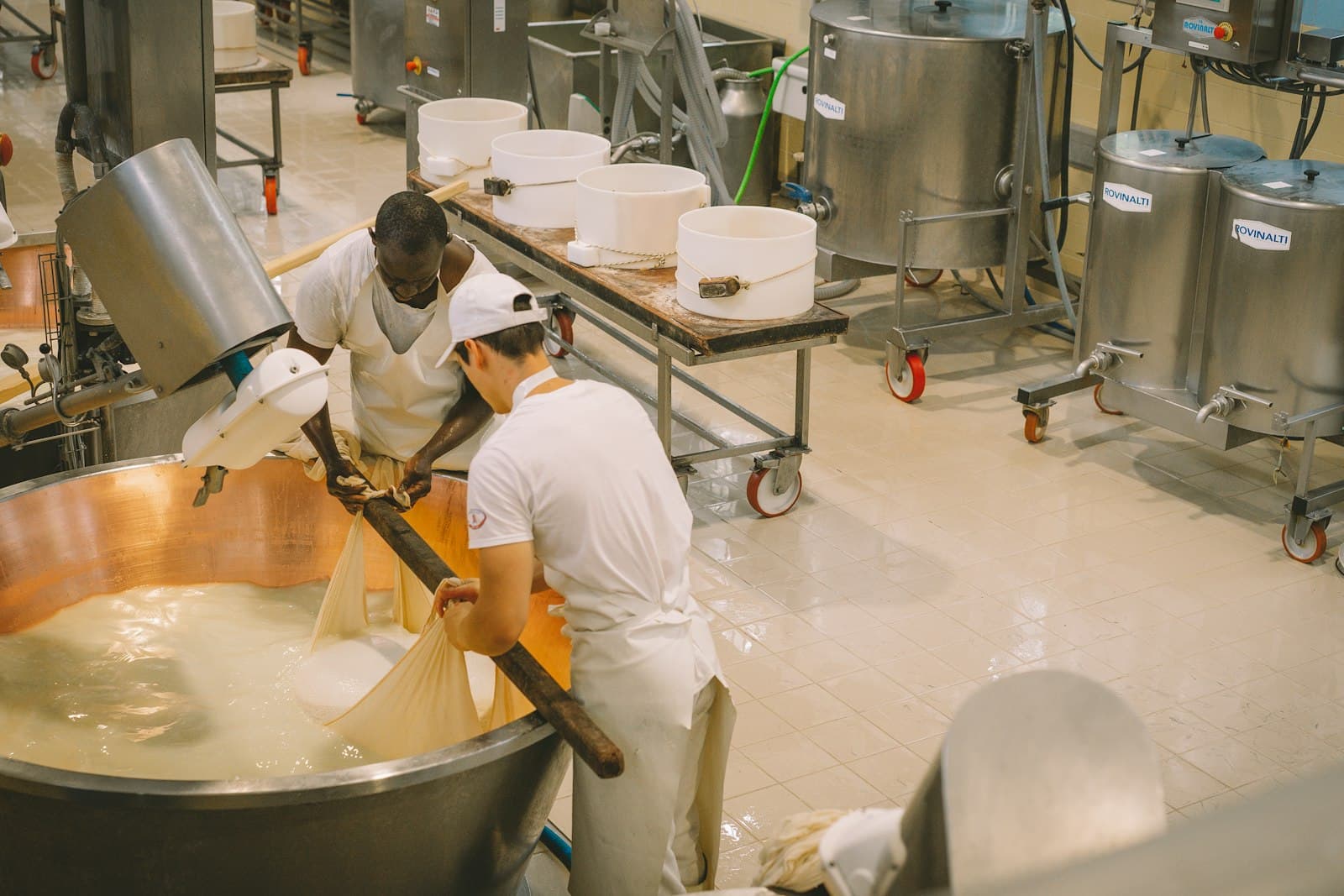
Milk arrives daily from many suppliers and is perishable from the first hour. The system has to tie each collection to its test results, track chilling and processing, and reconcile what went in against what came out.
Milk procurement
Supplier testing
Chilling
Processing
Packaging
Dispatch
Supplier-wise milk quality records
Yield against input volume
Short-shelf-life dispatch control
Bakery and confectionery ERP
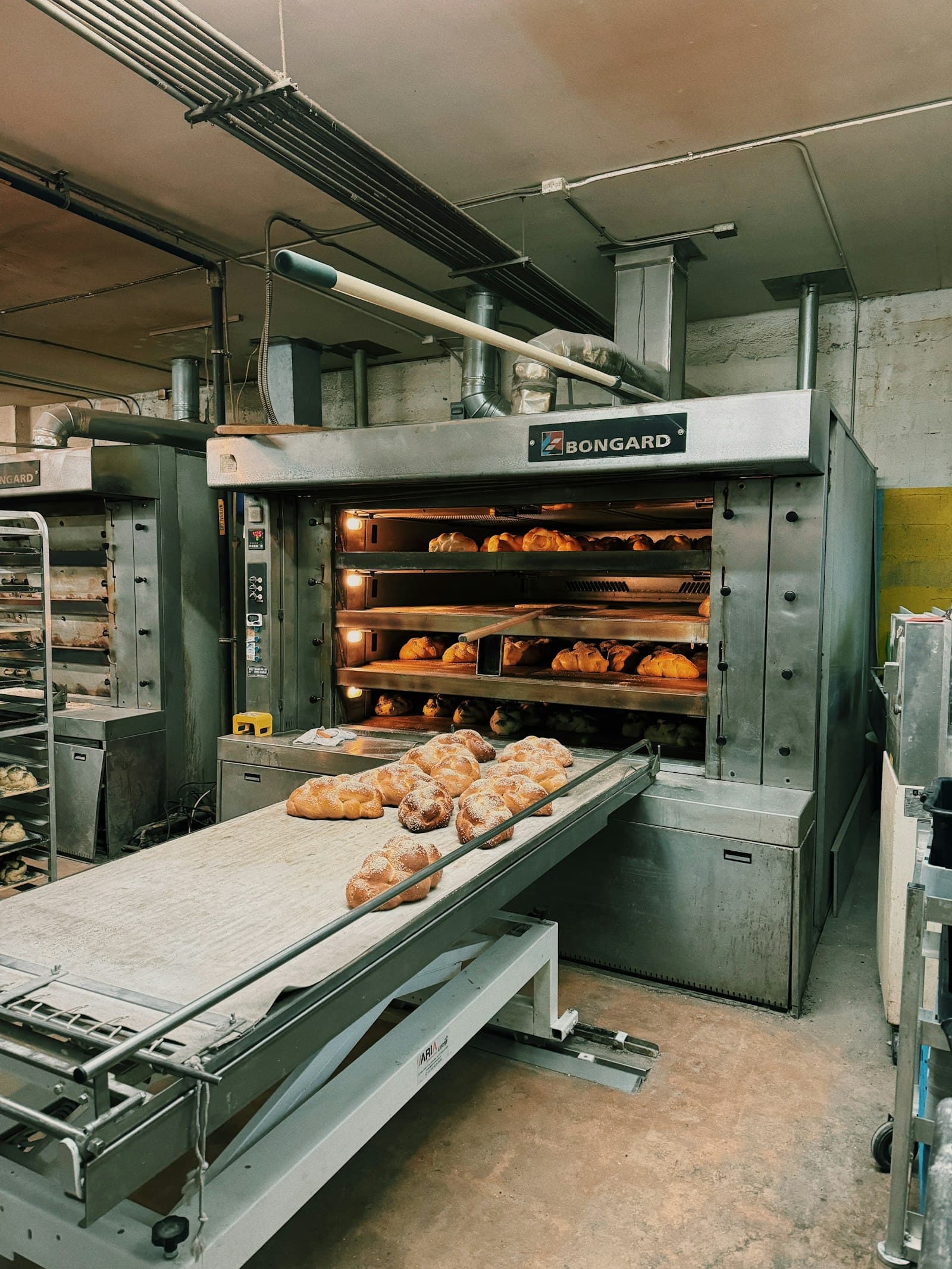
Formulations are scaled constantly, shelf life is short, and a small ingredient change can alter the product. The ERP keeps recipes scaled correctly and ties each production run to its ingredient lots.
Recipe scaling
Ingredient issue
Scheduled bake
Batch record
Shelf-life label
Distribution
Recipe scaling by batch size
Ingredient consumption per run
Shelf-life controls at dispatch
Packaged food manufacturing ERP
Many SKUs share ingredients, and packaging materials are as critical as the food itself. The system plans production against both and manages finished goods for distributor fulfilment.
Recipe management
Production batch
Packaging materials
Finished-goods stock
Distributor fulfilment
Packaging-material availability in the plan
SKU-level finished-goods inventory
Distributor order allocation
Spice and masala manufacturing ERP
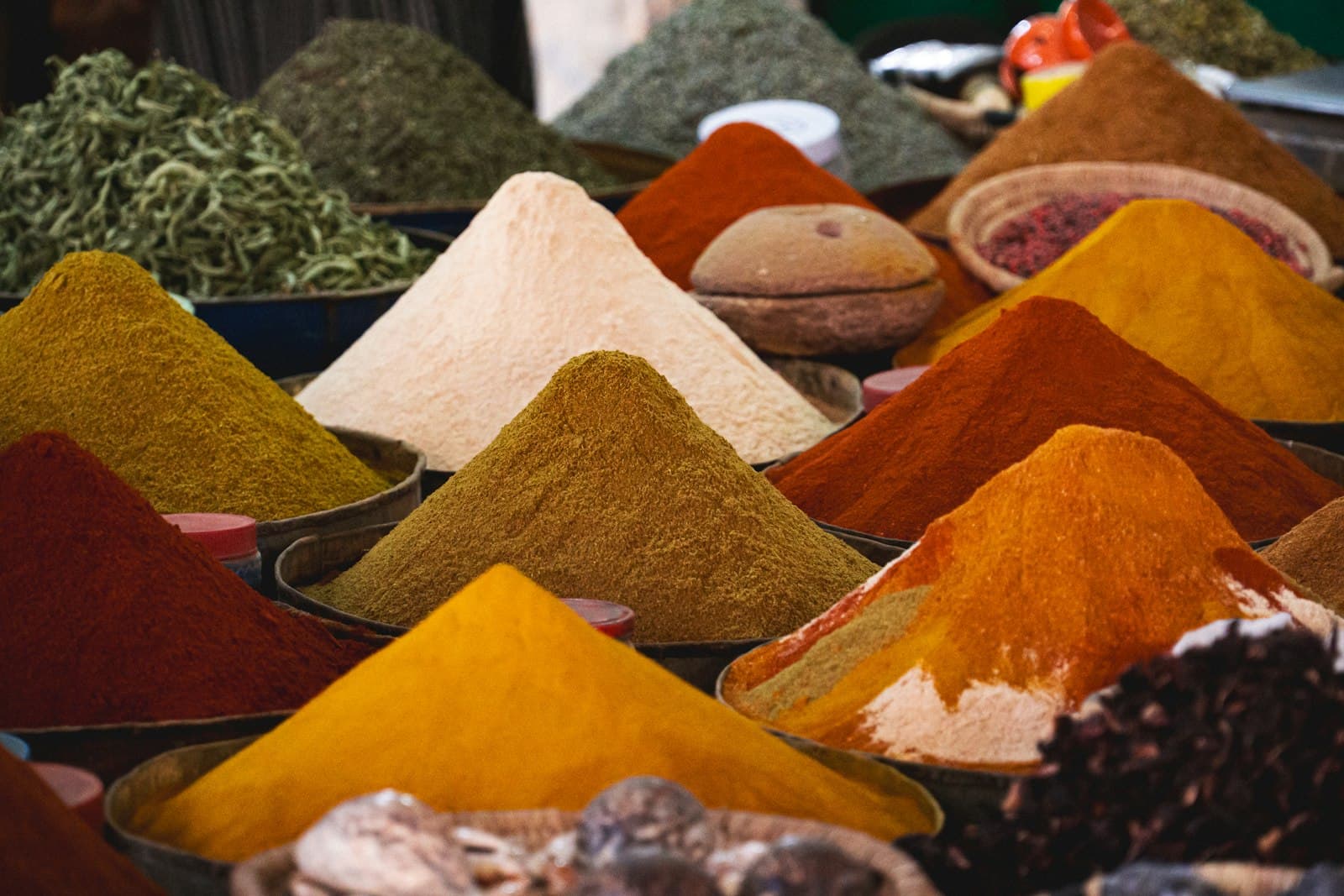
Raw spices vary by lot, grade and moisture, yet the blend has to taste the same every time. The ERP records grading and processing losses at each step and links every blend to the lots it contains.
Raw-material grading
Cleaning
Blending
Grinding
Packaging
Grade and lot recorded at intake
Recipe consistency across batches
Loss recorded at cleaning and grinding
Beverage manufacturing ERP
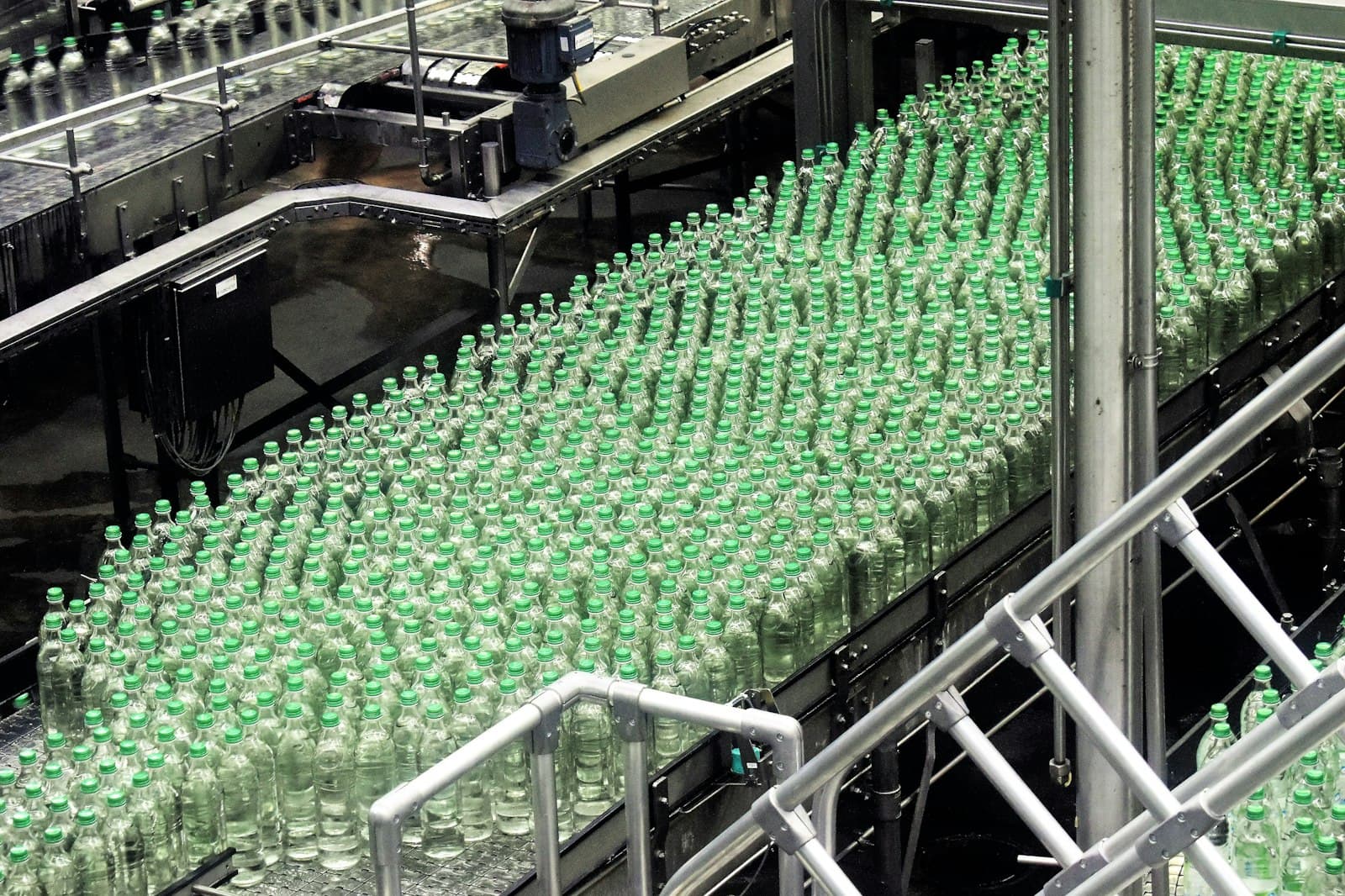
Formulation, blending and filling run as continuous stages, and cost is driven by yield and packaging. The ERP records each stage and costs a batch from its actual consumption.
Formulation
Blending
Filling
Packaging
Batch costing
Distribution
Formulation and blend records
Filling-line output against plan
Cost per batch and per unit
Frozen and chilled food ERP
Product safety depends on temperature, and stock has to rotate strictly. Where the process requires it, the system holds temperature-related records alongside lot, expiry and dispatch data.
Cold receiving
Cold storage
Stock rotation
Cold-chain records
Dispatch
Temperature-related records where required
Expiry-led stock rotation
Cold-chain documentation per dispatch
Edible oil processing ERP
Oil is bought, stored and moved in bulk, and processing produces by-products that carry value. The ERP tracks bulk tanks, yield per refining run and the allocation of by-products.
Raw-material procurement
Processing
By-products
Bulk inventory
Packaging
Dispatch
Processing yield per run
By-product recording and valuation
Bulk tank inventory
Other food manufacturers
Ingredient makers, industrial food suppliers and multi-product plants rarely fit a standard template. We scope the workflows from your actual process, product range and customers.
Discovery
Workflow mapping
Modules scoped
Phased delivery
Scope defined from your process
Only the modules you need first
Room to add plants and lines later
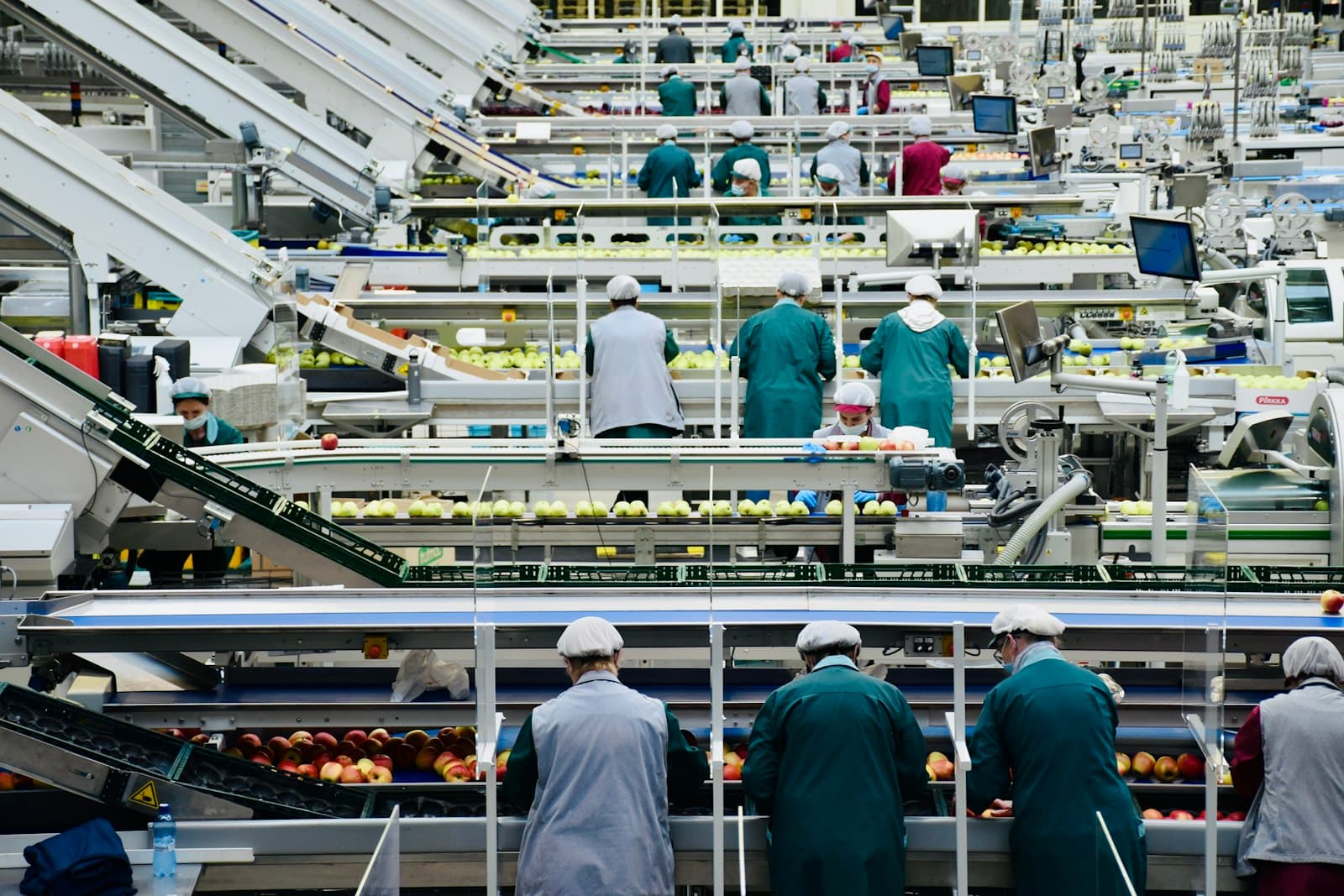
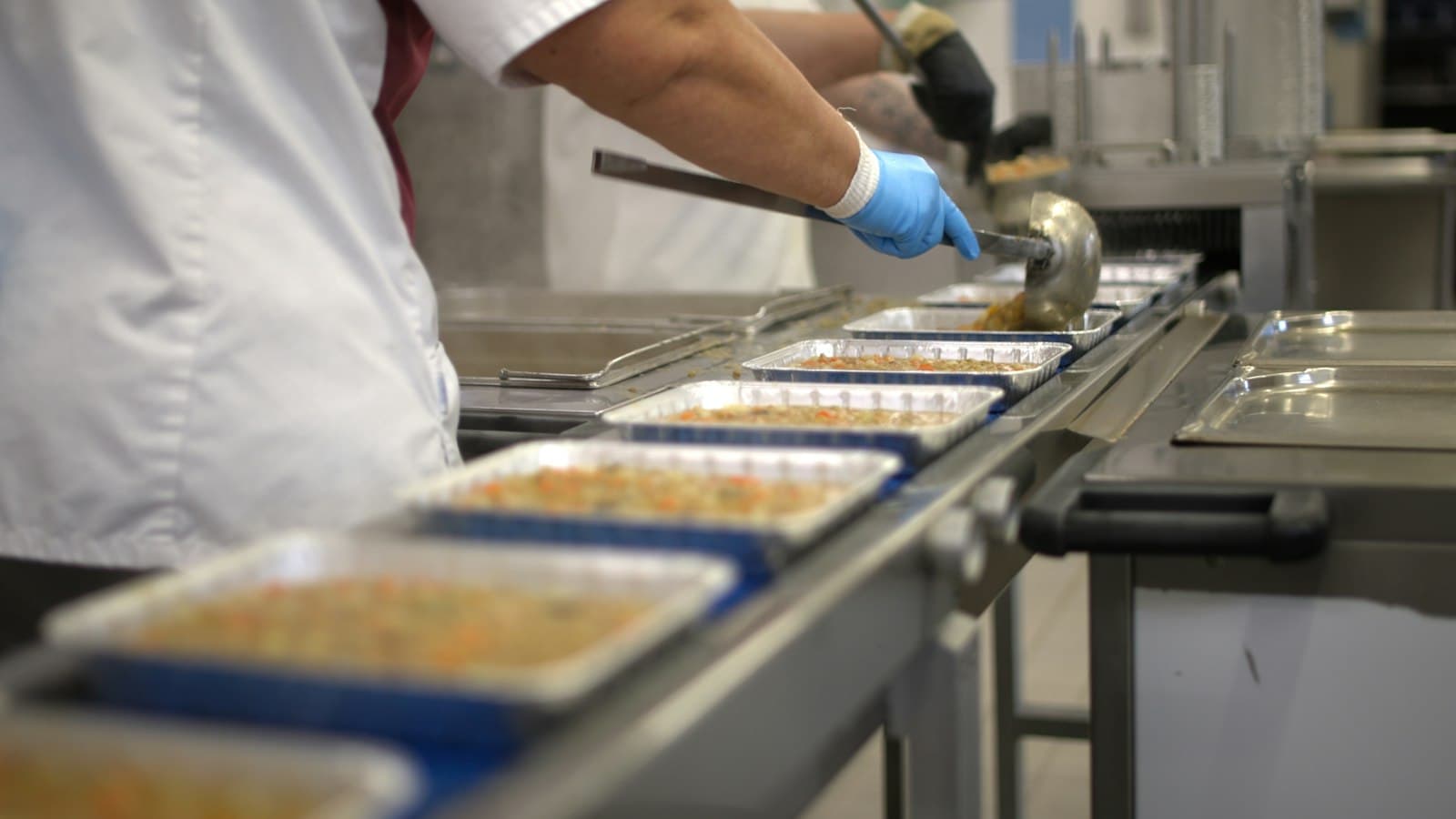
These describe the workflows we would design for, not completed projects in each segment. Photographs are illustrative.
Batch Traceability Software: Know Where Every Batch Came From, and Where It Went
With batch traceability ERP software, every receipt, batch and dispatch is linked, so a recall question becomes a lookup. Trace a finished lot back to its suppliers, or start from a supplier lot and see every batch and customer it reached. The sample records below are illustrative.
Supplier
Supplier A
Supplier B
Supplier C
Raw material lot
RM-4412 Whole wheat flour
RM-4419 Sugar
RM-4427 Vegetable fat
Goods receipt and quality check
GRN-1182 Passed
GRN-1186 Passed
GRN-1191 Passed
Production batch
B-2410-031 Whole wheat biscuit, 14 Oct 2026
Finished goods lot
FG-3101 5,000 packs
Warehouse
Unit 1, Zone C
Customer dispatch
DN-7781 Distributor North, 2,000 packs
DN-7790 Distributor West, 1,500 packs
Finished lot FG-3101 traces back to 3 raw material lots from 3 suppliers, and has 3,500 packs on 2 dispatch records.
The actual depth of traceability depends on the workflows we configure with you and on how consistently lots, consumption and dispatches are recorded on the floor. The system can only trace what has been captured.
Food Processing ERP Software Built for Indian Food Manufacturers
A food manufacturing ERP for India has to handle Indian licences, taxes, units and distribution practices. The system can be designed to support these workflows. What each one looks like depends on your licences, products and plants.
FSSAI licence records
Licence numbers, validity and renewal dates held against each plant and product category, with documents attached.
HACCP-based operational controls
Critical control point checks and monitoring records captured in the production and quality workflows you define.
Supplier and quality records
Approved supplier lists, specifications and inspection results linked to every received lot.
Batch identification and traceability
Lot and batch numbering designed around your labelling and the records your auditors ask for.
Expiry management
Shelf-life and best-before handling configured per product, with alerts ahead of expiry.
GST accounting and e-invoicing
GST-aware sales and purchase documents, and e-invoicing where it applies to your turnover and setup.
Multi-plant and multi-warehouse operation
One data model across plants, with plant-level roles, stock locations and reporting.
Indian units and practices
Quintals, kilograms, litres and local packaging and distribution practices handled natively.
Your existing systems
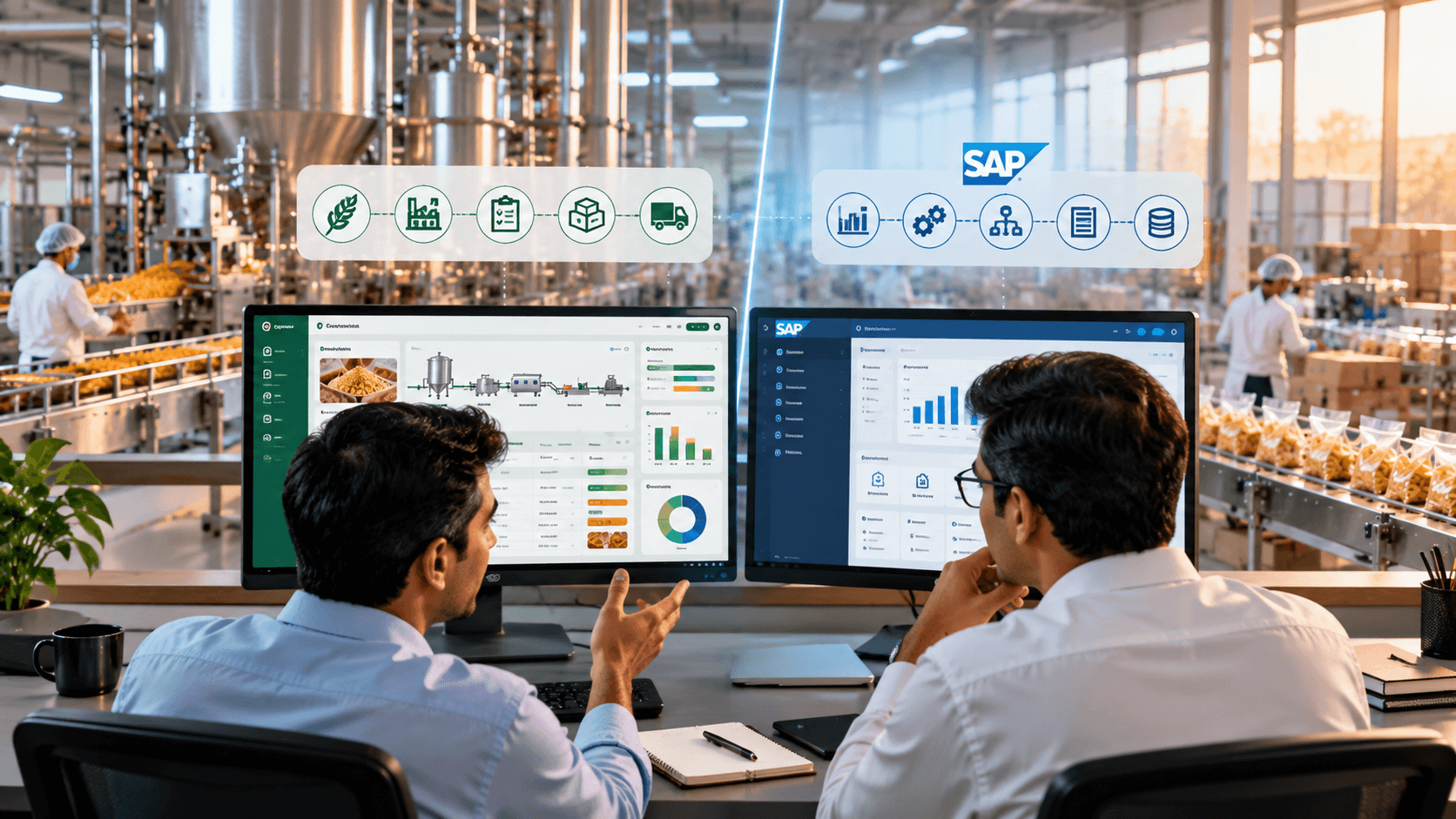
Tally, SAP or other accounting and business systems kept in place and connected, where that is the right call.
Custom Food ERP Development That Fits Your Operations, Not the Other Way Around
Custom development lets the software follow your process. That matters most when your recipes, plants, integrations or reporting needs do not match what a standard product expects. It is not automatically cheaper, faster or better.
Workflows tailored to existing manufacturing processes
Integration with accounting, production, warehouse and business systems
Modules delivered in phases
Custom approval and access-control rules
Web and mobile interfaces suited to different roles
Reporting tailored to business decisions
Architecture selected for actual scale and operational requirements
Defined ownership, maintenance and handover arrangements
Custom food ERP development compared with an established ERP product
Custom ERP development
Established ERP product
Fit to your process
Built around your recipes, stages and approval rules, including the unusual ones.
Configured within the product's model. Strong when your process resembles the standard one.
Time to first use
Longer, because discovery and design come first. Phasing lets one module go live early.
Often faster to start, as the core features already exist.
Cost profile
Higher upfront engineering investment, with ownership terms agreed in advance. Not automatically cheaper over time.
Licence or subscription cost, plus configuration and customisation. Costs can rise with users and modules.
Integrations
Designed against your accounting, warehouse and plant systems from the start.
Available connectors for common systems. Anything outside them is additional work.
Ownership and control
Source code ownership and handover can be part of the agreement.
The vendor controls the roadmap and the code.
Change over time
You decide what changes next, and pay for the engineering to do it.
Vendor releases bring improvements, but not necessarily the ones you need.
When an off-the-shelf product is the better choice
If your processes fit a mature product closely, and you need to be live quickly, an established ERP may serve you better and cost less. We would rather tell you that during assessment than build something you do not need. Custom development is worth the additional investment when your workflows, integrations, reporting or ownership requirements cannot be met by a product without heavy customisation.
Food Manufacturing ERP Development Process: From Requirements to Go-Live
We do not promise a fixed duration or price before we understand your scope. The number of modules, plants, integrations and data sources decides both. Work is split into milestones, and scope and acceptance criteria for each one are agreed in writing before development begins, so you know what “done” means at every phase. Our general delivery model is described on How We Work.
1
Business and factory workflow discovery
Process maps of how materials, batches and information move today, from plant visits and stakeholder interviews.
2
Requirements gathering and scope definition
A prioritised requirements document, module list and a proposed phase plan.
3
Architecture and integration planning
System architecture, data model and an integration plan for accounting, devices and existing systems.
4
UX design and prototype approval
Role-based screens and a clickable prototype that your plant and finance teams review before development.
5
Iterative development
Working software released in increments, with a demonstration at the end of each iteration.
6
Data migration and integration
Masters (items, suppliers, recipes, stock) loaded and checked, and integrations built and verified.
7
Testing, training and user acceptance
Test results, user training and sign-off against acceptance criteria agreed up front.
8
Phased deployment and ongoing support
Plant-by-plant or module-by-module go-live, handover documentation and a support arrangement.
A Structured Engineering Approach for Business-Critical Food ERP Software
A food manufacturing ERP holds your recipes, costs and customer data, so how it is built matters as much as what it does. As a software development company in India building custom ERP for food manufacturers, these are the practices we plan into an engagement, and we agree the specifics for yours in the architecture stage. OZRIT's company-level security and quality information is on our Compliance page. For custom ERP work, the controls that apply are defined per project.
Requirements and architecture documentation
Access-control design
Authentication and authorisation
Data protection and encryption
Audit logging
Automated and manual testing
Backup and recovery planning
Deployment and monitoring
Documentation and knowledge transfer
Maintenance and support arrangements
Insights on Food Processing ERP
Guides from the OZRIT team on choosing, replacing and building ERP software for food manufacturers.
Food processing ERP software connects the operations of a food manufacturer in one system: recipes, procurement, production, inventory, quality, traceability, dispatch and finance. The aim is that a batch, a lot or a purchase order is recorded once and visible to every team that needs it.
How much does custom food processing ERP development cost in India?
There is no honest single number, because cost depends on scope. The main factors are the number of modules, the number of plants and warehouses, the integrations required (accounting, weighing scales, barcode or other devices), how much existing data has to be migrated, and the user roles and mobile interfaces needed. After discovery we give a phased estimate so you can start with the modules that matter most.
How long does a custom food manufacturing ERP take to build?
It depends on the same factors as cost. A focused first phase, for example inventory with lot tracking, can be delivered much sooner than a full multi-plant rollout. We do not quote a fixed duration before discovery. Milestones and acceptance criteria are agreed for each phase.
Can the ERP manage recipes and formulations?
Yes. Recipes can be stored with versions and approvals, scaled to any batch size, linked to ingredient specifications, and compared against actual consumption on each batch. Substitution rules can be added where your process permits them.
How does batch and lot traceability work?
Each received lot gets an identifier, each production batch records which lots it consumed, and each finished-goods lot records where it was dispatched. Because those links are stored, you can trace backward from a finished lot to its suppliers, or forward from a supplier lot to the customers who received products made with it. How complete that trace is depends on the workflows configured and on the quality of the data recorded on the floor.
Can the system manage expiry dates and FEFO?
Yes. Shelf life and expiry are held at lot level, near-expiry stock can be flagged ahead of time, and picking and dispatch can follow first-expired-first-out where that suits the product.
Can the ERP integrate with Tally, SAP or existing accounting systems?
Integration with Tally, SAP and other accounting systems is possible and is planned during the architecture stage. In some cases it is better to keep your finance system and connect production and inventory to it. In others it makes sense to bring finance into the new platform. We recommend whichever carries less risk for your business.
Can the ERP support multiple factories and warehouses?
Yes. The data model can span plants and warehouses, with plant-level roles, stock locations, transfers between sites and consolidated reporting for head office.
Can the software support FSSAI-related documentation?
It can store and organise FSSAI licence details, supplier and quality records, batch records and audit documents so they are easy to retrieve. Software that holds these records does not by itself make a manufacturer compliant. Compliance depends on your processes, licences and regulatory obligations.
Can we own the source code?
Source code ownership and handover can be part of the engagement. It is agreed in the contract before development starts, together with documentation and knowledge-transfer terms.
Can the ERP be implemented in phases?
Yes, and for most manufacturers we recommend it. A common route is to start with inventory and lot tracking or production, then add quality, costing, dispatch and reporting, and finally extend to more plants.
What maintenance and support options are available?
After go-live, support can be arranged as a retained support plan, a dedicated team for continued development, or time-and-materials work. The scope, response expectations and responsibilities are agreed in the support terms.
Discuss Your ERP Project
Tell us about your plants, products and the problems you want to solve. You do not need a finished specification.
What happens next
1A solutions consultant reads your note and may reply with a few questions.
2We schedule a requirements call to understand your workflows and priorities.
3If it is a fit, we propose a phased scope with milestones and acceptance criteria.